
Most actors are trained in some combination of a handful of core techniques: Stanislavski’s system, the Meisner technique, Method acting, and the Chekhov technique, among others. None of them is the single “correct” way to act. Working actors typically draw from more than one, depending on the role and the medium.
The system that started it all
Konstantin Stanislavski’s system, developed in early 20th-century Russian theatre, is the foundation most other techniques build on. It centres on given circumstances (the facts of the scene), objectives (what the character wants), and emotional truth grounded in logic rather than performance. Nearly every technique that came after is either an extension of this system or a reaction against part of it.
Meisner: reacting instead of performing
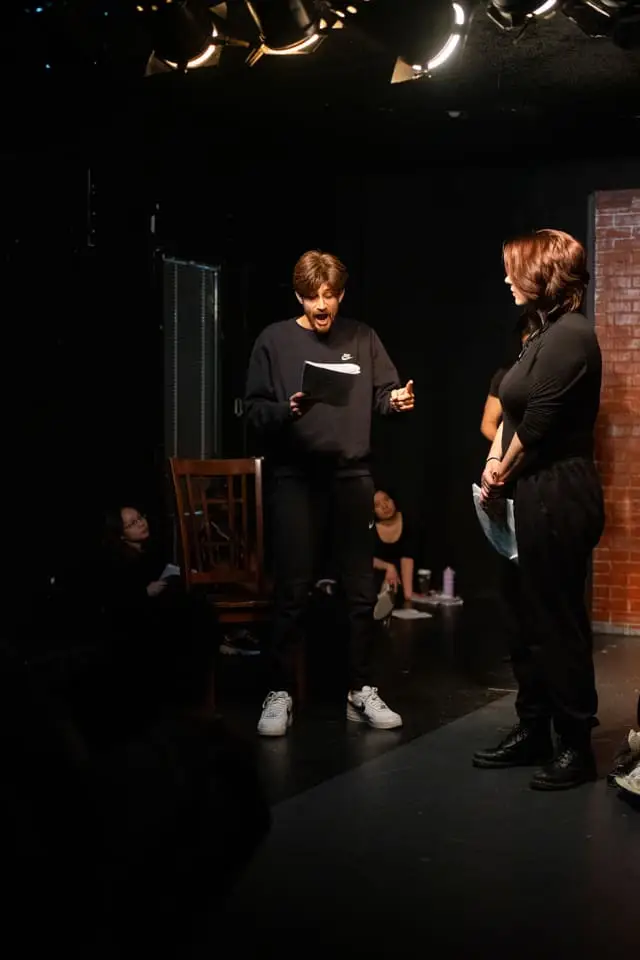
The Meisner technique, developed by Sanford Meisner, is built around truthful reaction to a scene partner rather than pre-planned emotion. Its signature tool is the repetition exercise, where two actors respond to each other’s behaviour in real time until the interaction stops feeling rehearsed. The goal is to get an actor out of their head and into the moment.
Method acting: pulling from personal experience
Method acting, associated with Lee Strasberg, asks actors to draw on real personal memories to generate authentic emotion in a scene, using tools like sense memory and emotional recall. It’s the most talked-about technique outside the industry, partly because of how intensely some actors apply it, but it’s one tool among several, not a requirement for good acting.
Chekhov: starting from imagination and the body
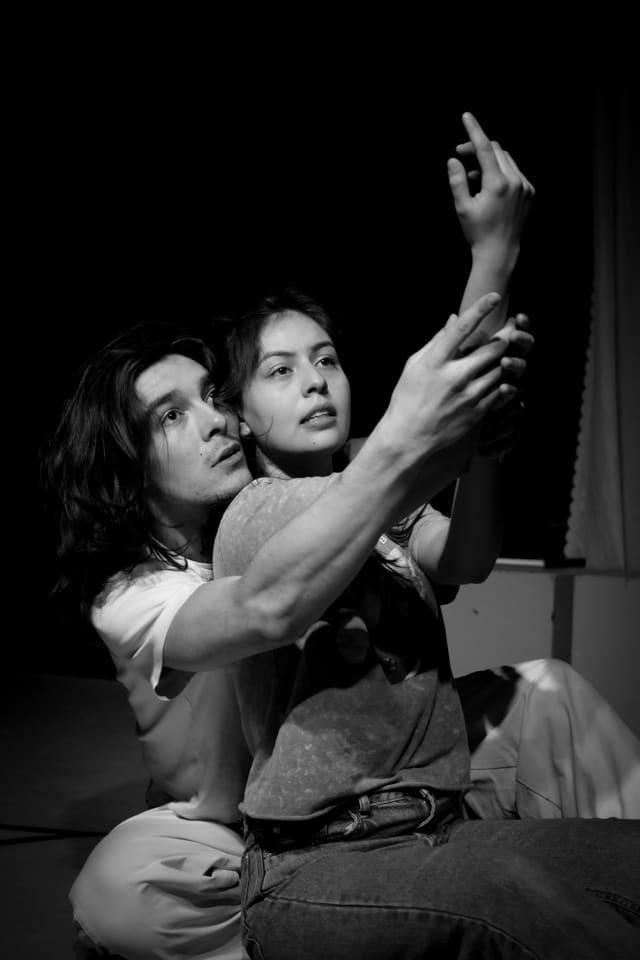
Michael Chekhov’s technique moves away from personal memory entirely, using imagination, physical gesture, and a concept called the “psychological gesture” to build a character from the outside in. It’s often taught alongside more internal, memory-based approaches as a counterbalance.
Practical Aesthetics and other script-first approaches
Some techniques, like Practical Aesthetics, focus less on emotional access and more on breaking down the literal text: what does the character want, what are they doing to get it, moment by moment. These approaches tend to appeal to actors who find memory-based work less useful or harder to control on demand.
Why most actors end up mixing techniques
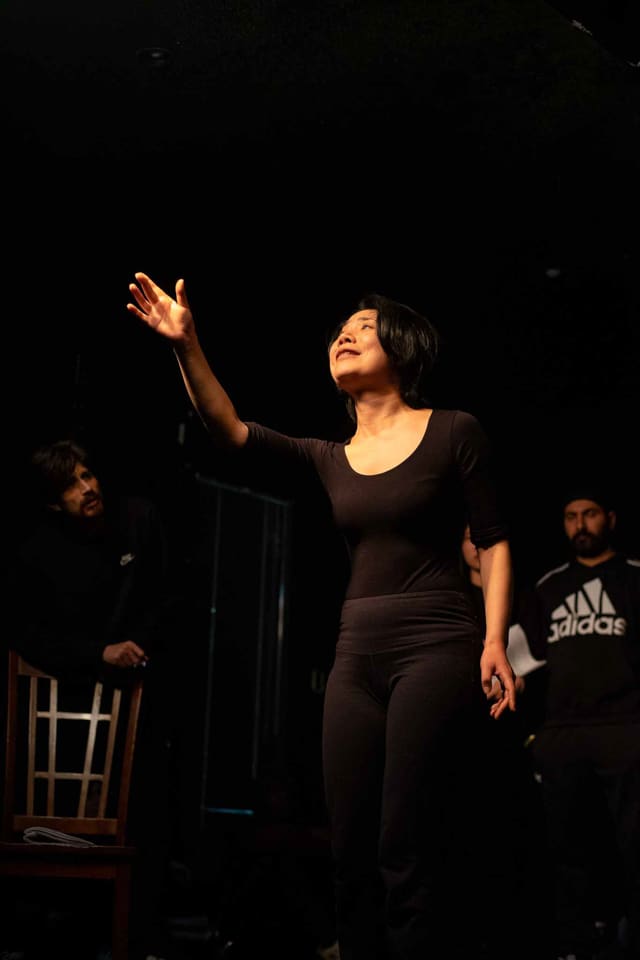
In practice, few working actors stick to one technique exclusively. A scene might call for the reactive presence of Meisner, the physical specificity of Chekhov, and the textual clarity of Practical Aesthetics, all in the same read-through. Training in multiple techniques gives an actor more tools to reach for depending on what a role actually needs.
This is a broad overview — method acting specifically works quite differently from the others and is worth its own look. At NIC, our Film Acting Conservatory trains across multiple techniques, so students graduate able to discover what best connects with their abilities and adapt to what a role or director actually asks for. Find out more →