
Acting school can give aspiring actors structured training, regular feedback, practical performance experience, and a clearer path for developing their skills. Instead of figuring out each part of the craft independently, students can work through technique, scene study, on-camera performance, and audition preparation in a structured environment.
Here’s what that actually looks like.
You learn technique instead of guessing at it
Self-taught actors often pick up habits from watching performances rather than understanding what’s happening underneath them. An acting school breaks the craft into its parts — text analysis, voice and movement, scene study, on-camera technique — so you understand why a choice works, not just that it does. That foundation is what lets you adapt on the fly instead of freezing when a director asks for something different on take two.

You get real production experience, not just class exercises
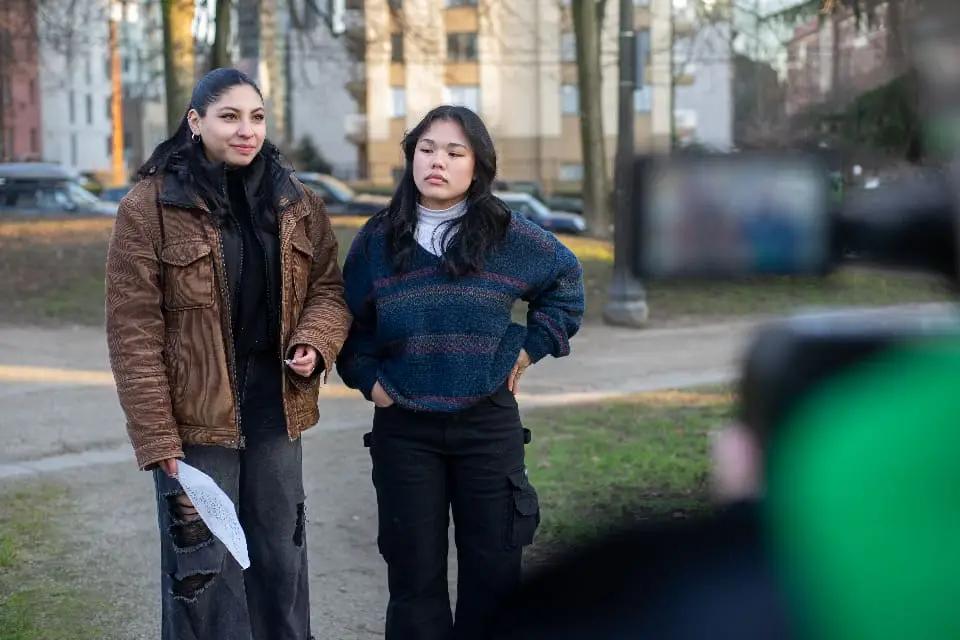
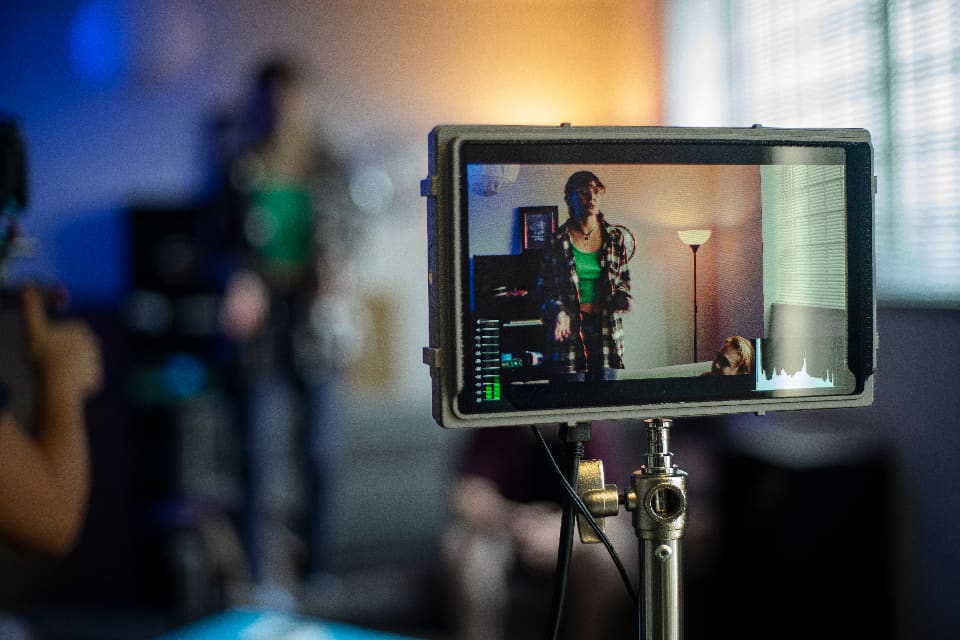
Reading about how a film set works and actually being on one are two different things. Good acting programs put you in front of a camera and in front of a live audience — hitting marks, adjusting for a close-up, staying in character through a long shoot day, recovering from a flubbed line mid-scene. Theatre performance adds a different kind of pressure: there’s no take two with a live audience watching. Both build a kind of composure that’s very hard to fake your way into.
You get feedback from people who work in the industry
A teacher who’s actively working — booking roles, directing, casting — gives you a different kind of note than a friend or a scene partner can. They can tell you when a choice would read as false on camera, when your instinct is right but underdeveloped, or when you’re ready to submit yourself for certain kinds of roles. That kind of calibration is genuinely difficult to get outside a classroom.
You leave with a real portfolio, not just experience
Casting directors and agents don’t take “I’ve been acting for years” at face value — they want to see it. A structured program is usually built around producing the materials that actually get you seen: a demo reel, a headshot and resume package, audition footage, sometimes even a produced short film. Those are the tools you’ll use to submit yourself for work the moment you’re done, instead of starting from zero.
You build the discipline the job actually requires
Professional acting isn’t just performing — it’s memorizing pages overnight, staying sharp and focused through a dozen takes, taking direction gracefully, and showing up prepared every single day. School is where you build those muscles under real pressure, with people around you doing the same thing, so it stops feeling like a personality trait you either have or don’t.
You start with a network instead of building one from scratch
Classmates become scene partners, collaborators, and eventually colleagues. Instructors who are working professionals can be the first industry contacts you have. None of that guarantees work, but it does mean you’re not walking into the industry completely on your own.
This is just an overview of what training can offer — programs vary widely in how deep they go and what kind of experience they build toward. At NIC, our Film Acting Conservatory is built around exactly this: two years moving from foundational technique into real on-camera and theatre production, finishing with a demo reel, a produced short film, and an audition showcase in front of working casting directors and agents. Find out more NIC Acting Programs→